Build and explore a focused 10 km² section of the central districts anchored by the Independence Hall and Independence Mall area. The selected boundary extends through Old City streets, mixed downtown blocks, tree-lined corridors, major road approaches, and the Delaware River edge. This is not a complete city model or a finished historical exhibition. It is an editable game-world foundation shaped by mapped streets, building footprints, water, terrain, and land cover, with room for players to restore façades, design interiors, and add their own stories.
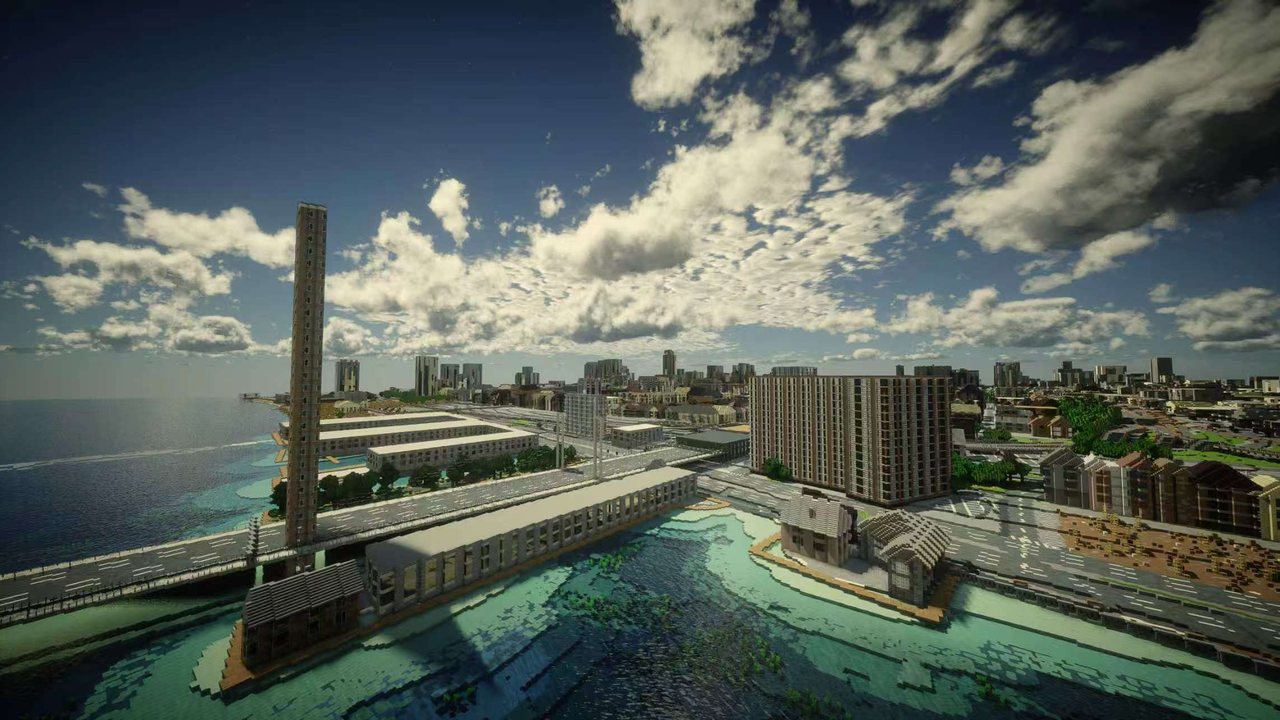
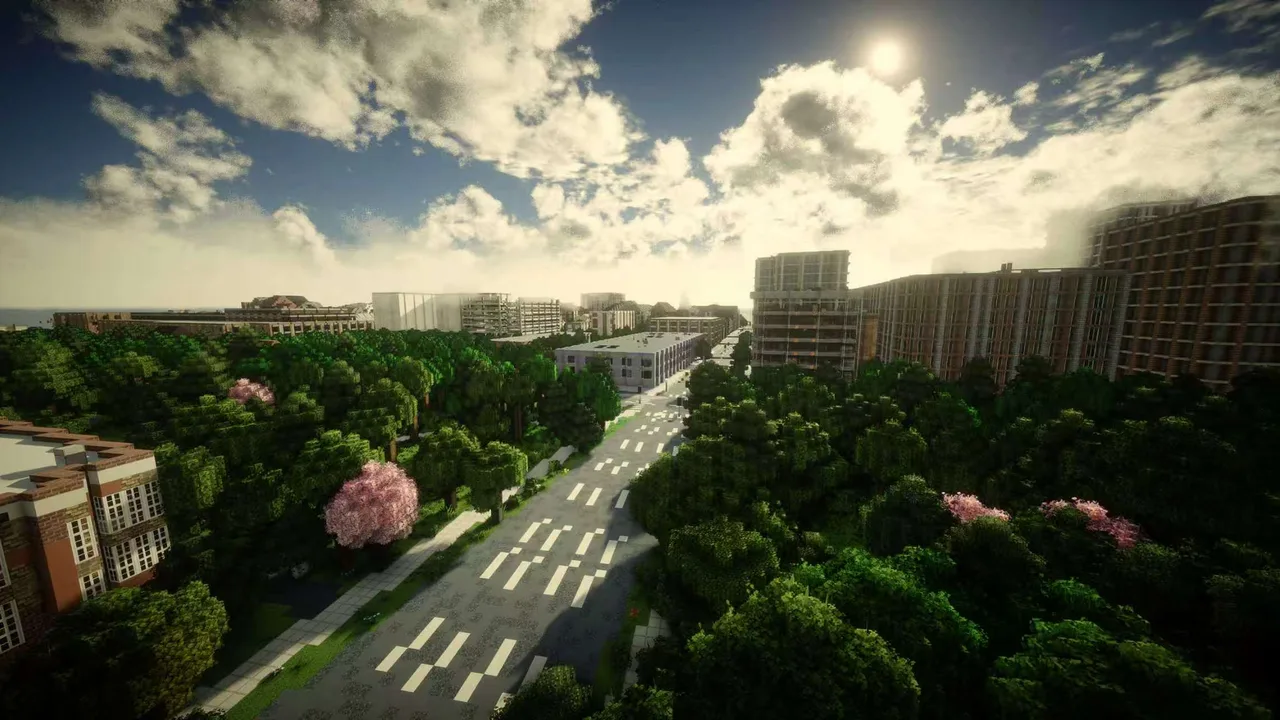
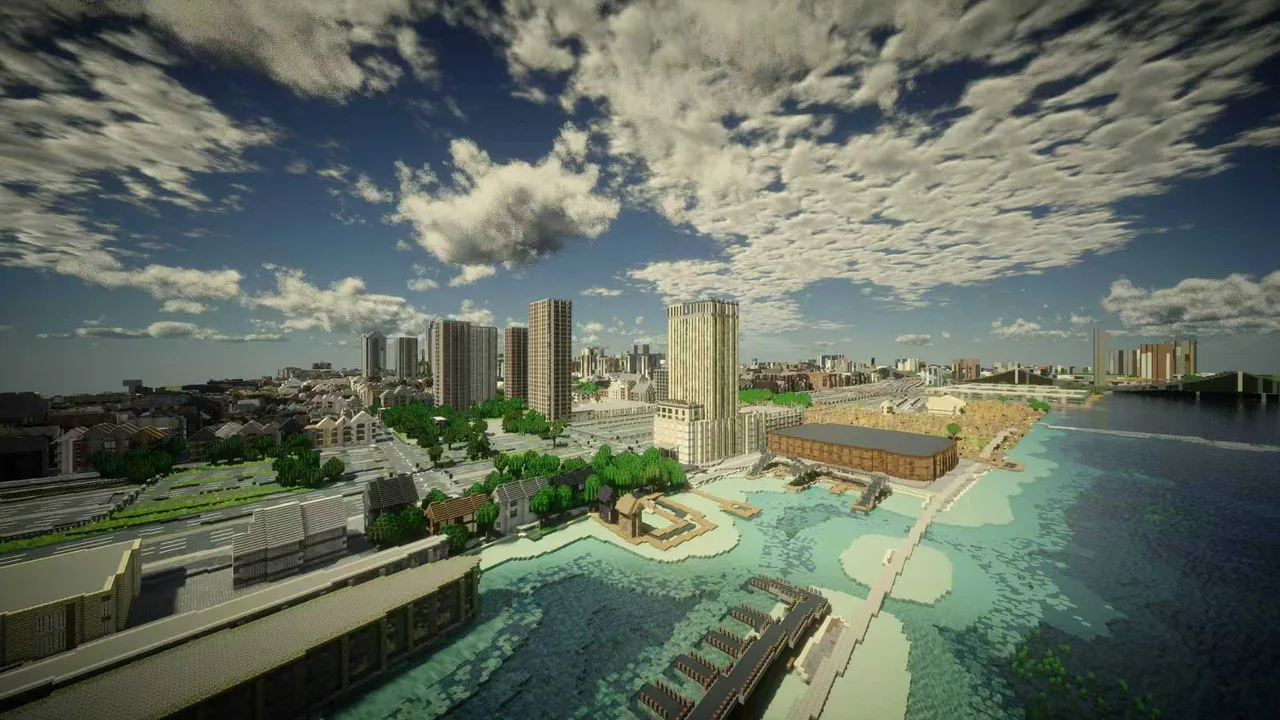
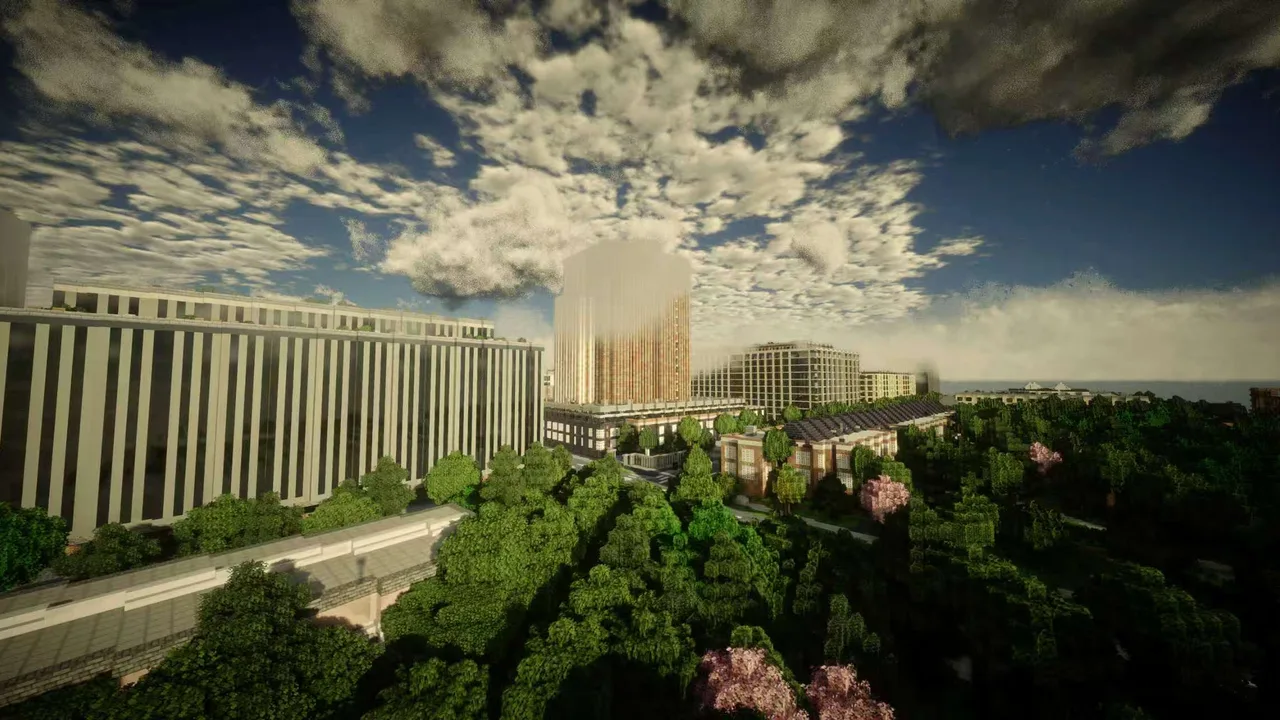
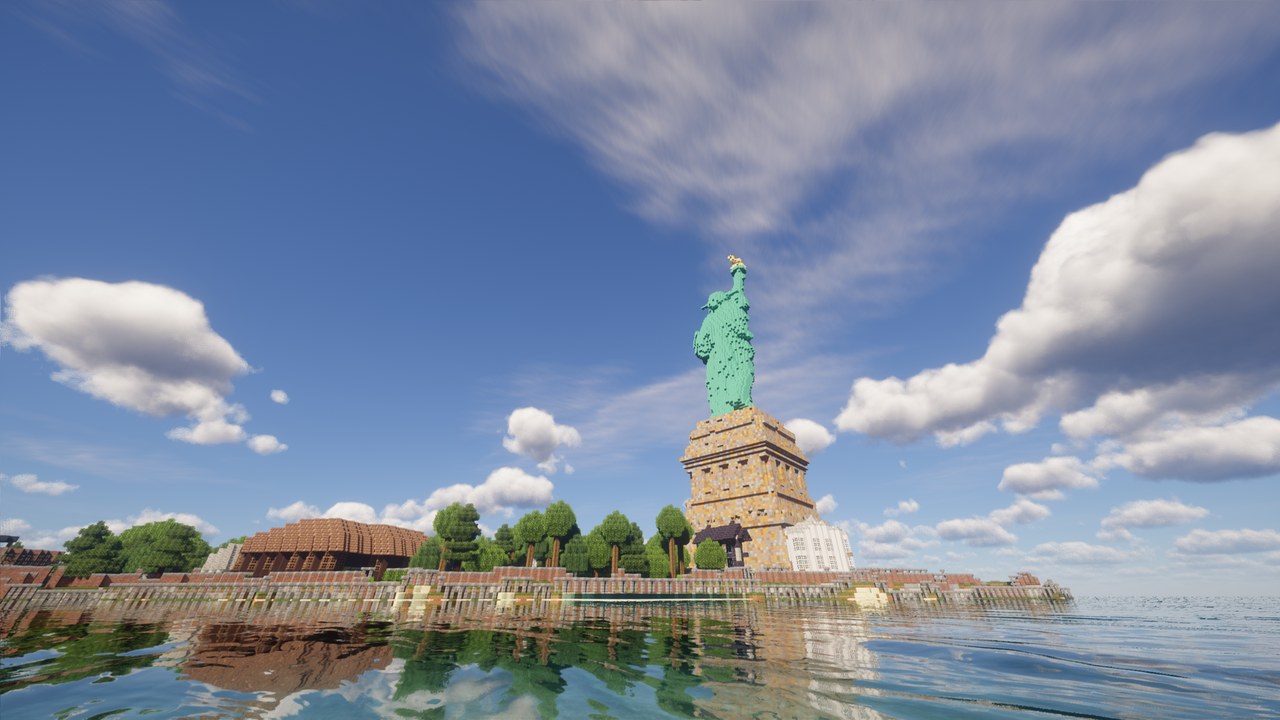
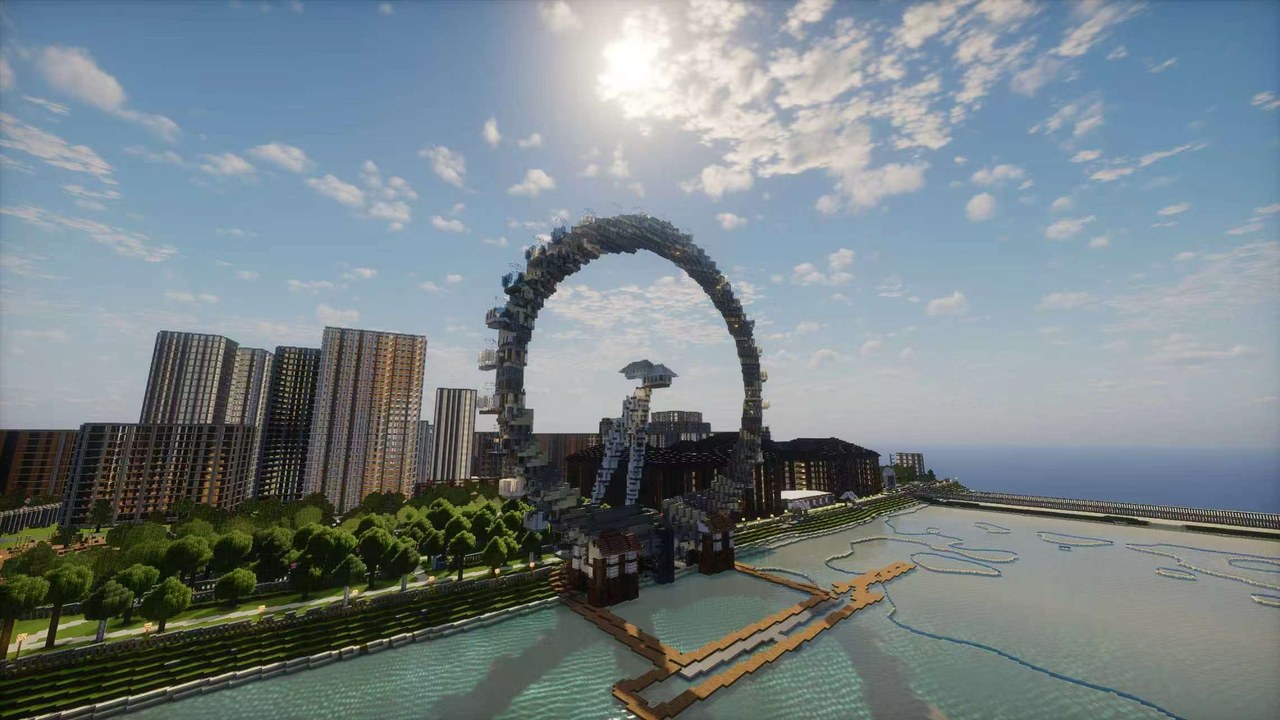
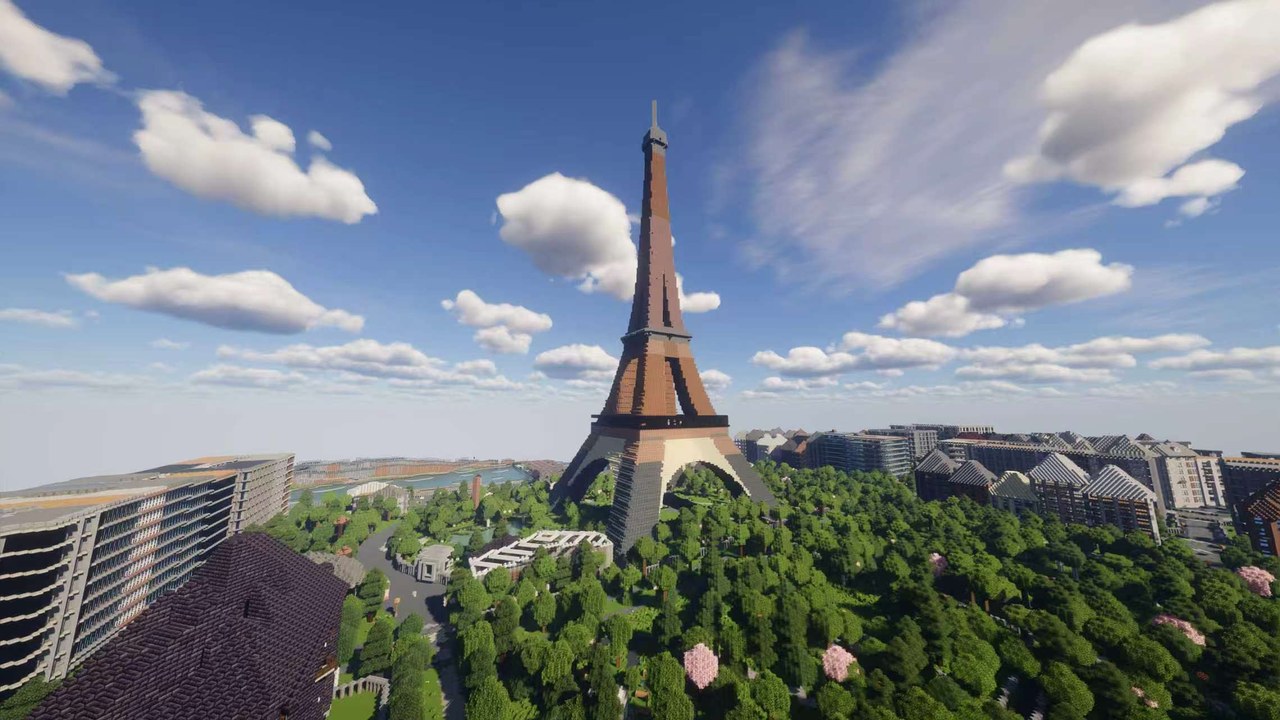
The outdoor spawn is positioned near the historic district without placing the player inside a generated building. From that starting point, groups can create a walking route around Independence Mall, connect Old City blocks to the waterfront, or use broad road and bridge approaches as transport corridors. The screenshots show a varied world: dense blocks sit near open water, taller structures rise behind lower neighborhoods, and green streets provide quieter routes between large urban areas.
Server owners can turn the historic center into a civic spawn, assign waterfront infrastructure to one team, and reserve neighborhood blocks for markets, housing, museums, or period-inspired role-play. The actual Liberty Bell is displayed indoors at the Liberty Bell Center, so this page does not claim a complete bell chamber or furnished historical interiors in the generated world. Keep a clean backup, then add exhibits, quests, redstone transit, or restoration details on separate copies.
For an educational or adventure project, let geography organize the route. Begin with outdoor public space, move through the older street grid, and finish beside the river so players can read the change in scale and land use. Add interpretation through signs, books, NPC dialogue, or custom quests instead of presenting generated blocks as authoritative history. A documented master copy makes later restoration and classroom comparison much easier. Photograph the starting layout, label the main crossings, and keep historical interpretation separate from fictional server stories so visitors always understand which details came from source geography and which were added for play.